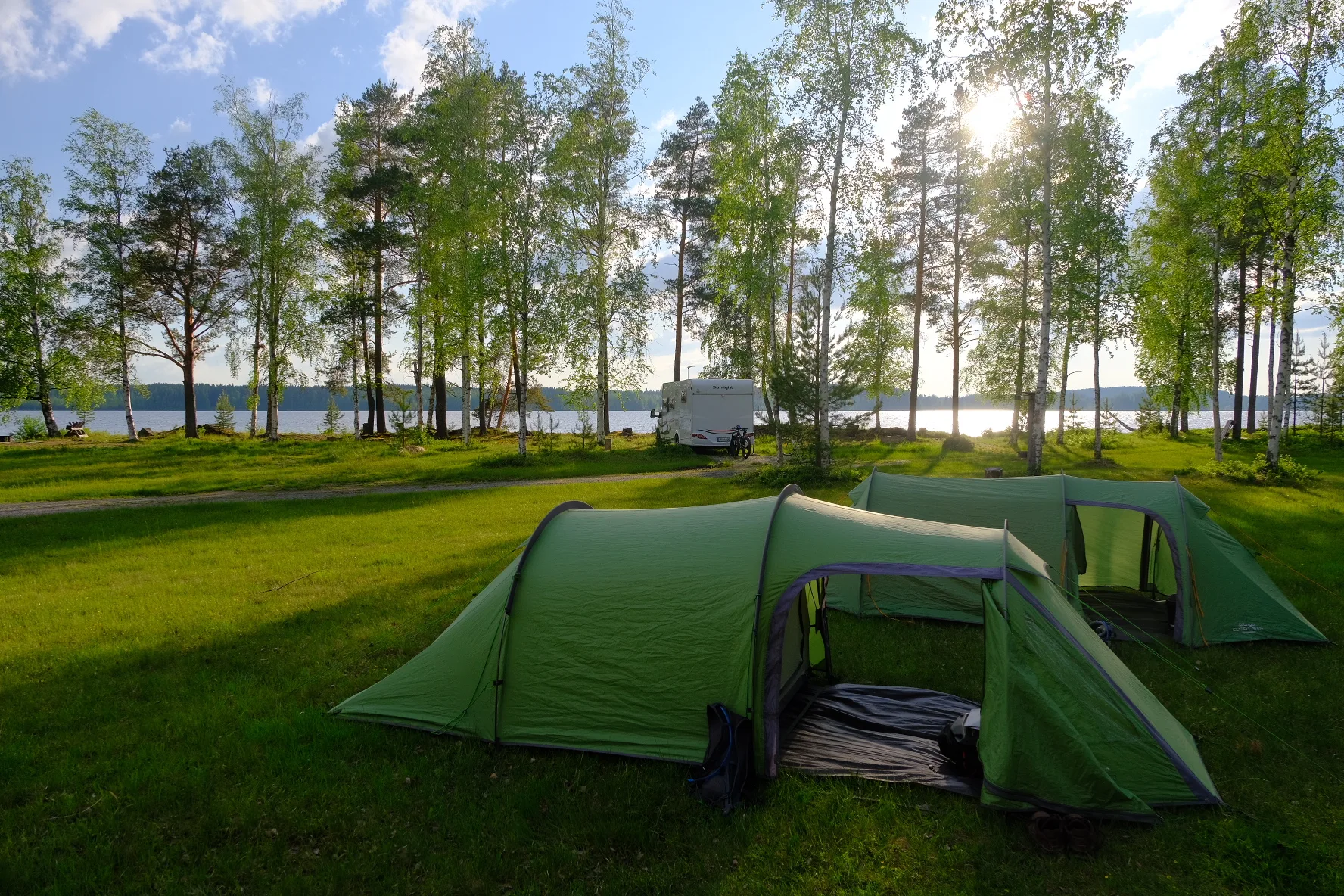
Traveling across the European continent on a motorcycle is a rite of passage for every rider. Whether you’re navigating the winding roads of the Alps, exploring the rugged landscapes of the Pyrenees, or cruising along the sunny Portuguese coast, a successful long-distance motorcycle tour in Europe depends on one crucial factor: preparation. To arrive at your destination feeling fresh rather than frazzled, you need a balance of physical preparation, the right gear, and smart logistics. Here are my tips for a seamless European road trip.
1. Comfort and Posture: Your Foundation for Endurance
Comfort isn’t just a luxury; it’s a safety requirement. Poor ergonomics leads to fatigue, which kills your reaction time.
Riding Position: Keep your back straight, and your shoulders relaxed. Ensure your arms aren’t locked; a slight bend in the elbow absorbs shocks better. Your knees should be comfortably bent to prevent cramping.
The Saddle: A soft seat feels great for the first twenty minutes, but for an eight-hour day, you want firmness. A seat that’s too soft causes “hot spots” and pain. Consider a gel seat cushion or a sheepskin cover for long-distance pressure relief.
Wind Protection: Fighting the wind is exhausting. A proper windscreen (or an adjustable spoiler) reduces the blast against your chest and helmet, making the ride significantly quieter and less taxing.
Ear Protection: Wind noise above 80 km/h (50 mph) causes permanent hearing damage and mental fatigue. High-quality motorcycle earplugs are the single most underrated piece of touring gear.
2. Hydration and Nutrition: Fueling the Rider
Your bike needs high-octane fuel, and so do you. Focus and concentration are directly linked to your hydration levels.
Sip Constantly: Don’t wait until you’re parched. Take a sip of water every 15–20 minutes. A hydration bladder (Camelbak) is the gold standard here, allowing you to drink on the move.
Eat Light: Heavy meals like pasta or burgers lead to the dreaded “carb crash.” Opt for healthy, high-energy snacks like nuts, bananas, or protein bars to keep your energy levels stable.
Preemptive Breaks: Eat and drink before you feel hungry or thirsty. By the time your body signals a need, your concentration has already dipped.
3. Planning a Long Motorcycle Trip: Finding Your Rhythm
Touring is a marathon, not a sprint. Long-distance riding requires a different pace than a Sunday afternoon blast.
Regular Intervals: The golden rule is to stop every 60–90 minutes for a quick 5-10 minute break. Stretch your muscles, walk around the bike, and give your eyes a rest from the road.
Realistic Mileage: Be honest about your limits. In mountainous terrain (e.g., the Alps), 250–300 km is a full day. On the motorway, you can push to 500–600 km, but it’s mentally draining.
Flexibility: A rigid schedule is a recipe for stress. Be prepared to change your route due to weather, roadworks, or simple fatigue. The goal is the journey, not just the GPS coordinates of your camping or hotel.
4. Technical Prep and Luggage: Peace of Mind
A reliable bike allows you to look at the scenery instead of your engine temp gauge.
The Pre-Trip Check: Before departure, check tire pressure and tread (is it enough for this trip?), all fluids (oil, brake, coolant), and chain tension. Remember to lube your chain every 500 km or after a rainy ride.
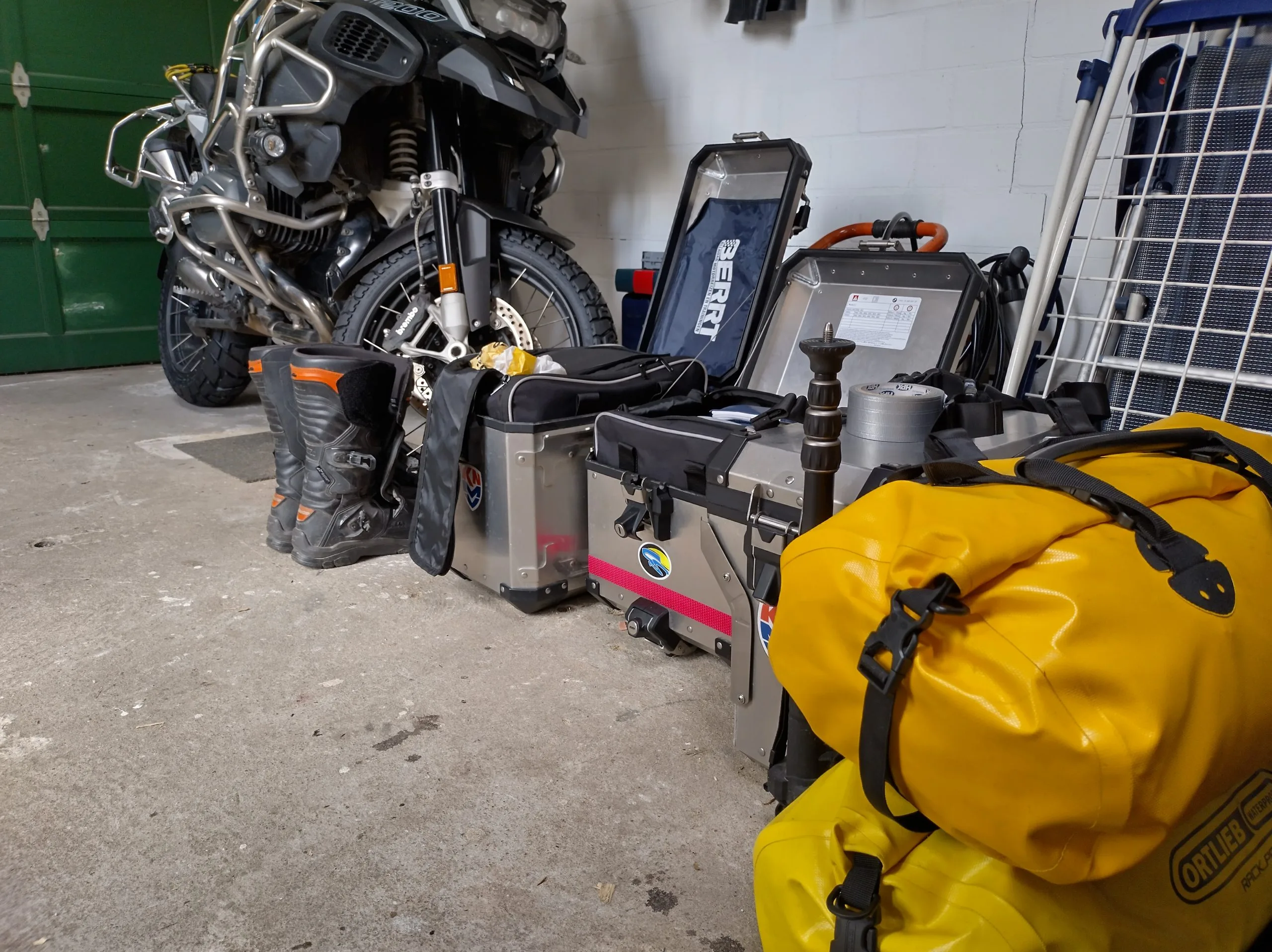
Pack Light: If you didn’t use it on your last three-day trip, you probably don’t need it now. Place heavy items at the bottom of your panniers or in a tank bag to keep the center of gravity low.
The Toolkit: Carry a basic set including a tire repair kit (for tubeless tires), a multi-tool, and the “touring essentials”: duct tape and zip ties.
5. European Specifics: Know the Rules
Crossing borders means changing rules. Stay ahead of the curve.
Vignettes and Tolls: Countries like Switzerland and Austria require a highway vignette. An environmental sticker (Crit’Air) is mandatory for motorcycles in many French cities and environmental zones. In France and Italy, you’ll encounter toll booths. Keep a credit card or small change in an easily accessible pocket of your jacket.
Local Laws: In France, carrying a hi-viz vest is mandatory for emergencies. Some countries also require a compact first-aid kit to be carried on the bike.
Digital Backups: Ensure your “Green Card” insurance is valid for all countries on your route. Keep a digital copy of your license and insurance in the cloud for easy access.
Enjoy every kilometer of the European tarmac. Safety and comfort are the keys to an unforgettable ride!
Extra Information

news via inbox
Want to be the first to know about my latest adventures and hidden gems? Sign up for the MotorAway.eu newsletter to get exclusive travel stories, stunning photos, and video updates delivered straight to your inbox. Join a community of fellow motorcycle enthusiasts and never miss a ride.