
The Ultimate Motorcycle Route Through the Belgian Ardennes (Including GPX)
For a detailed route planning, see my posting:
Route Info: The Ultimate Motorcycle Route Through the Belgian Ardennes
The Iron Steed and the Land of Whispers: A Motorized Chronicle of the Ardennes.
The Shadow of the Bulge
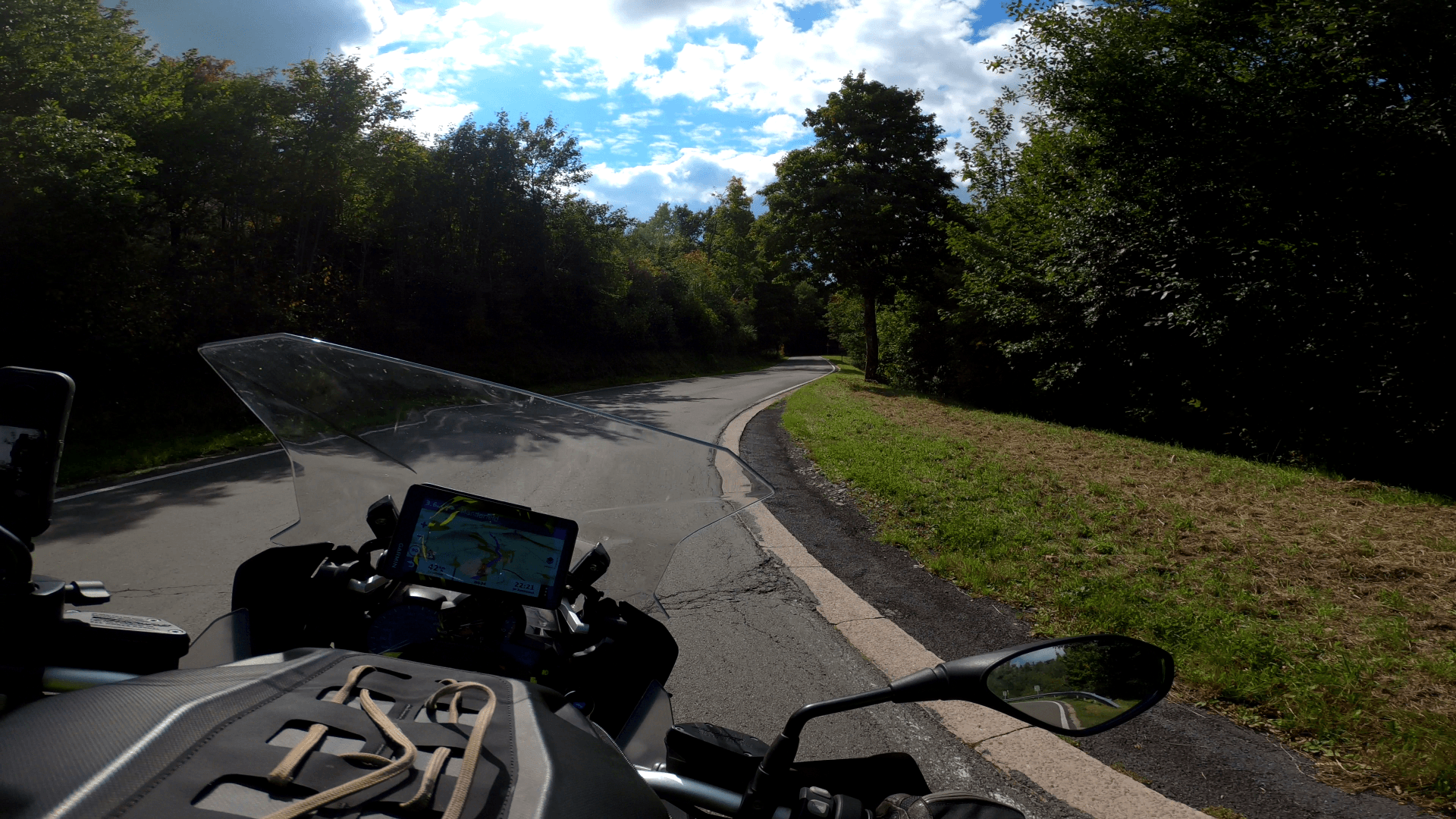
We began in the East, a land where German is spoken as easily as French, a testament to the turbulent political tides that have perpetually swept through this region. The roads here are a ribbon of dark tarmac laid over rolling pasture and dense forest, winding south toward the ancient borderlands.
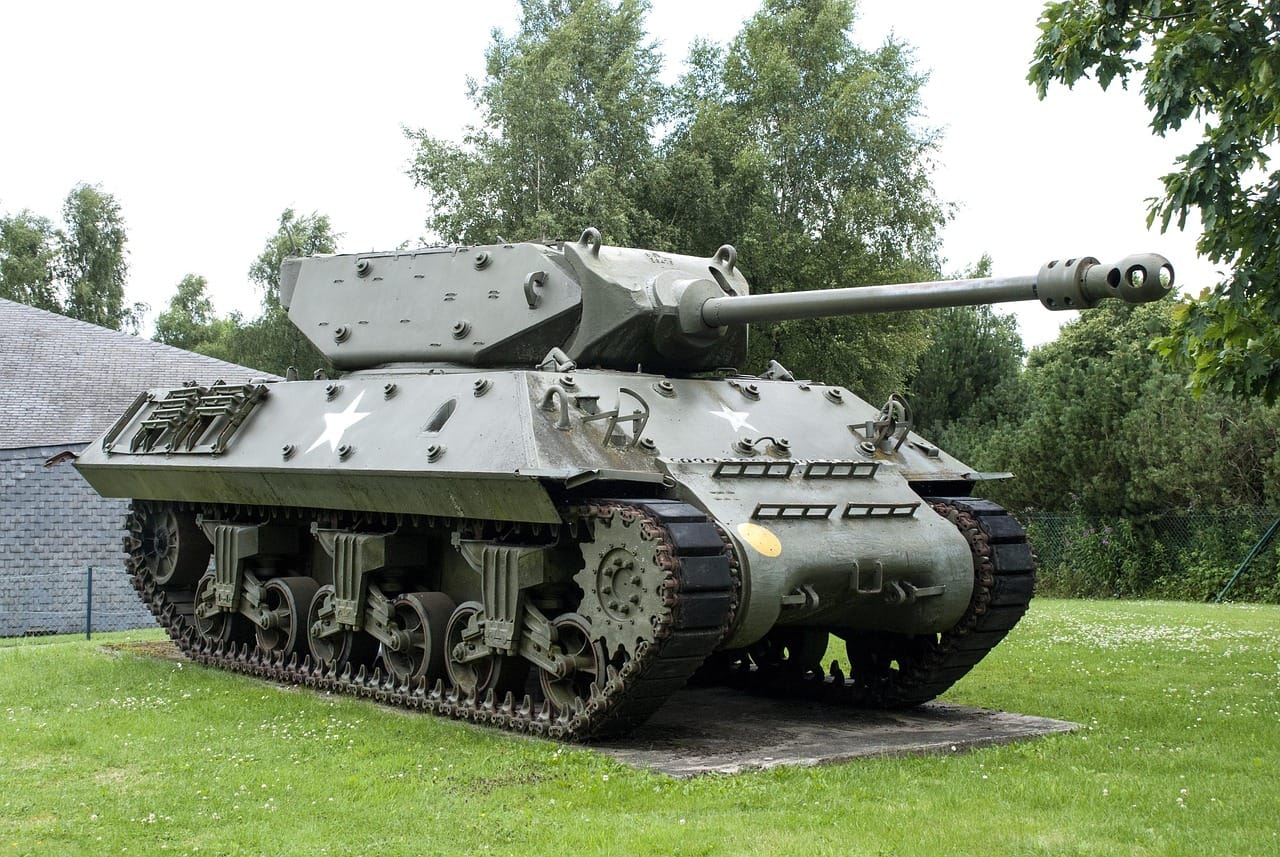
The first major waypoint was Bastogne, a name written in the blood and ice of a terrible winter. As the GS devoured the miles, the landscape shifted from pastoral quietude to somber, snow-dusted memory. Bastogne sits on a high plateau, a strategic crossroad fiercely defended during Hitler's last great offensive, the Battle of the Bulge, in late 1944. Stopping near the star-shaped Mardasson Memorial, I felt the silence, a heavy counterpoint to the distant roar of my engine. Here, the history is raw and visceral; it reminds the rider that these peaceful, winding roads were once corridors of fear, defined by determination and unimaginable sacrifice.
Monks, Dukes, and Golden Valleys
Pushing southwest, the topography began its signature change. The broad plateaus gave way to the deep, serpentine valleys of the Gaume region. After passing through the unassuming strategic junction of Neufchâteau, the bike settled into a rhythm designed for flow: switchbacks tightened, and the woods pressed closer. This descent was a transition from the recent ghosts of the 20th century into the deep, enduring heart of the Middle Ages.
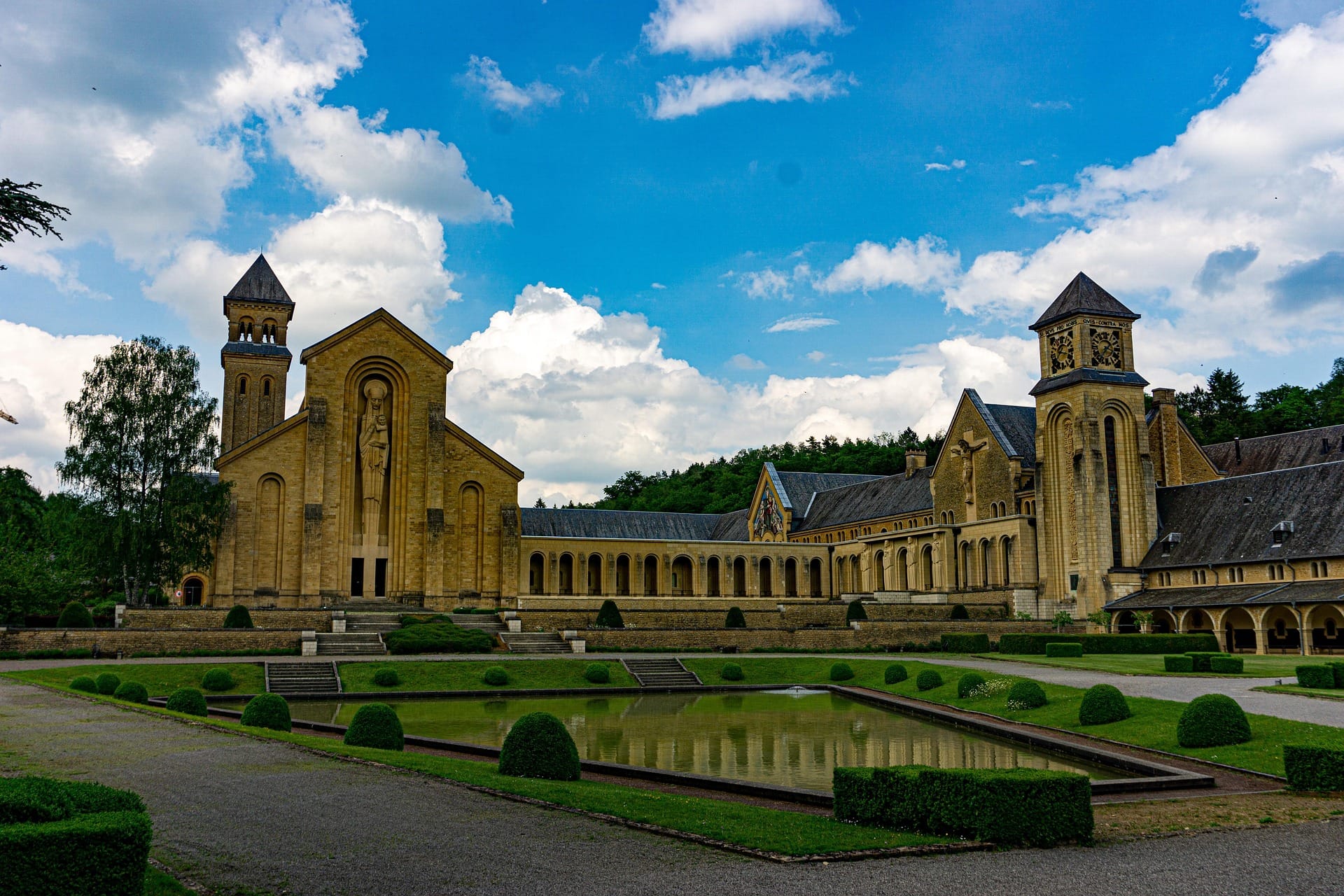
Our destination was Orval, a name synonymous with one of the world’s most revered Trappist beers. Nestled in a remote valley near Florenville, the ruins of the old Cistercian abbey stand as a breathtaking monument to faith and endurance. The legend holds that Countess Matilda of Tuscany lost her wedding ring here, and when a fish surfaced bearing it, she declared the valley "Val d’Or" (Golden Valley), leading to the founding of the monastery in 1131. The stop was a pilgrimage, a moment to trade the rush of the wind for the golden, still essence of a Trappist ale.
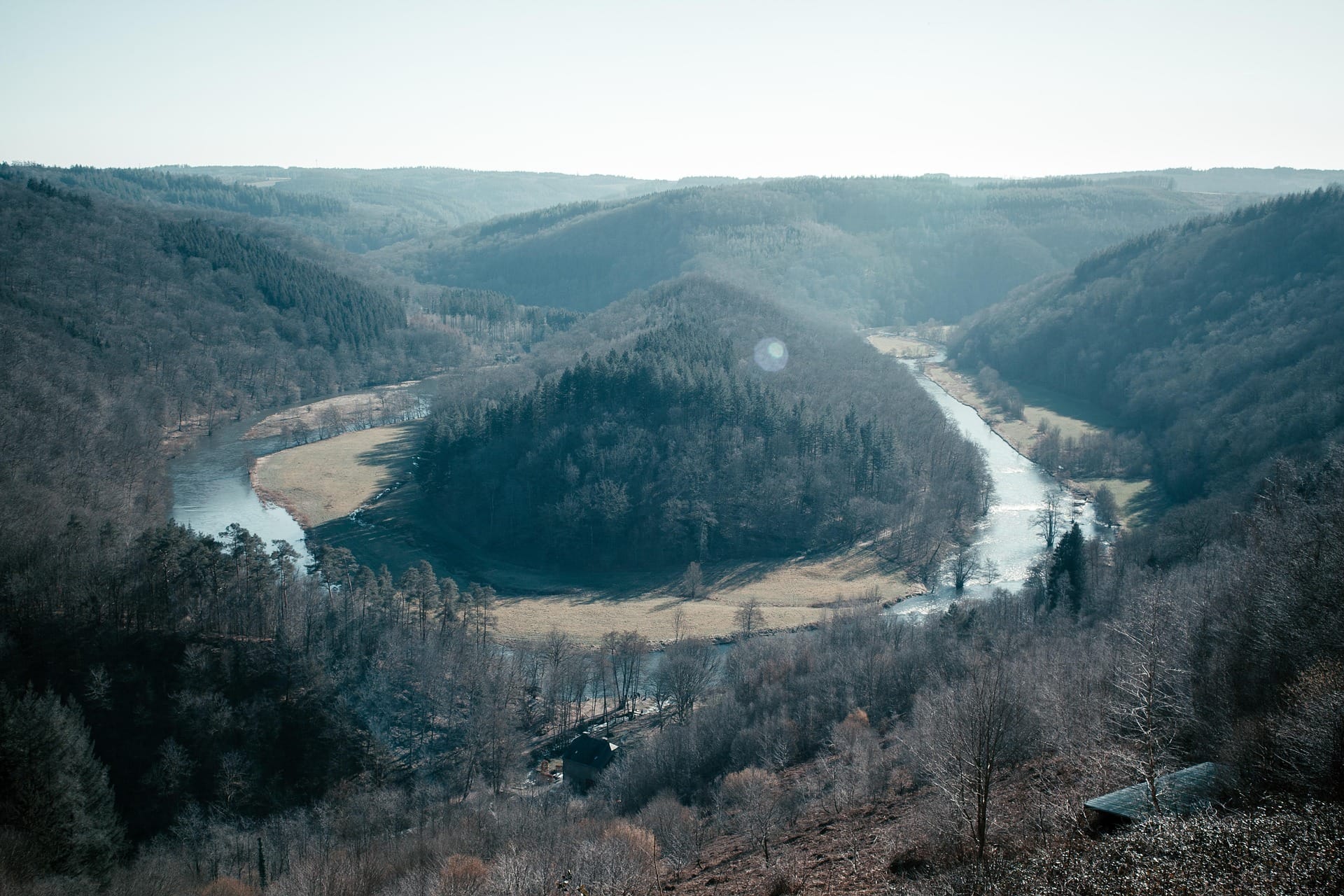
Refueled in spirit and body, the journey plunged into the Semois Valley, arguably the most dramatic and picturesque sector of the Ardennes. The Semois River, in its tireless meandering, has carved a landscape of breathtaking folds and gorges.
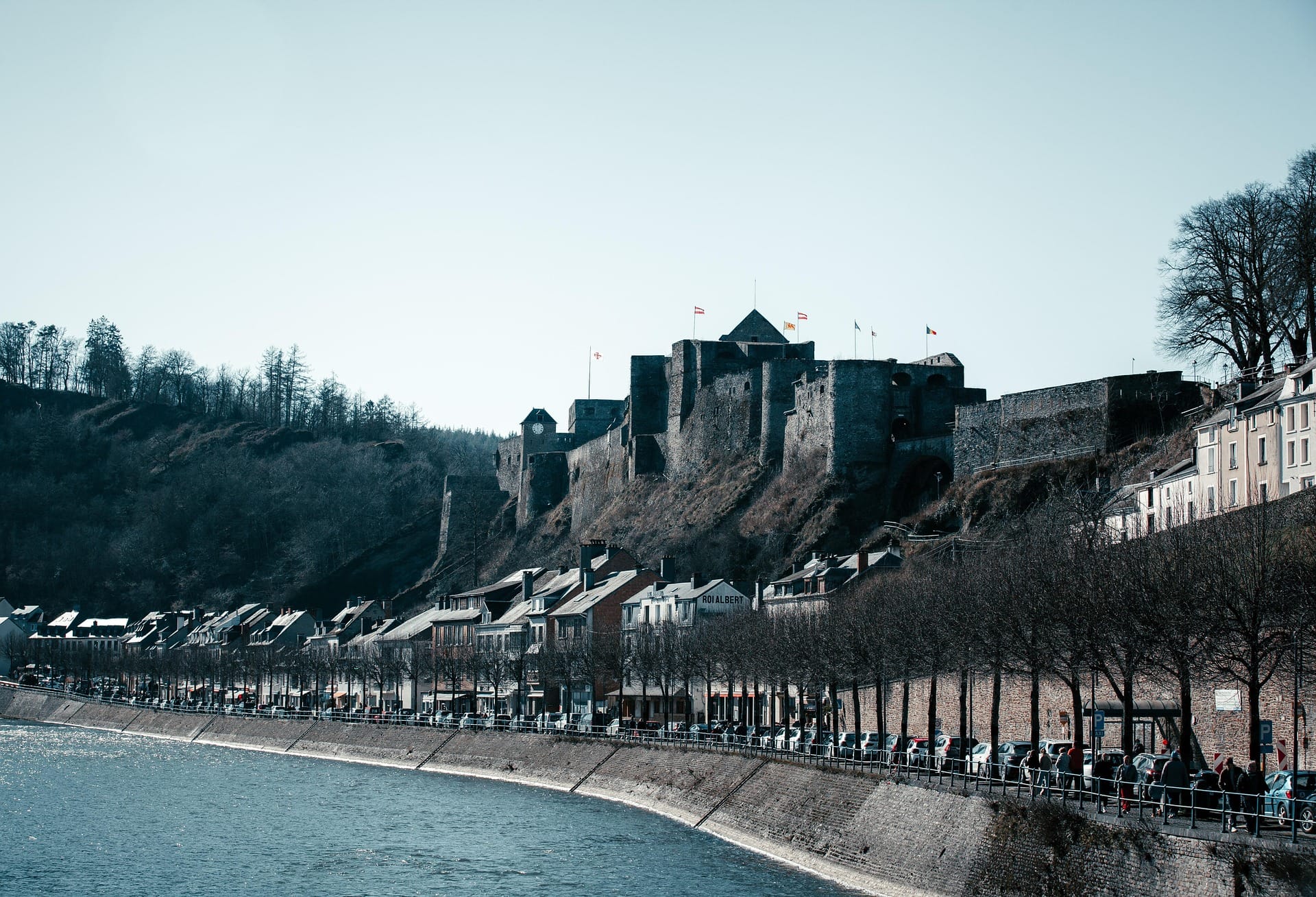
The approach to Bouillon is viscerally cinematic. Dominating the town, the colossal feudal castle, perched on a rocky spur, is swallowed by a loop of the Semois. This fortress is not just stone and mortar; it is the ancestral home of Godfrey of Bouillon, the legendary crusader who sold his lands to fund his journey to the Holy Land. To stand on the battlements is to feel the weight of a history that set Europe on the move.
The Semois Serpent and the Meuse Gateway
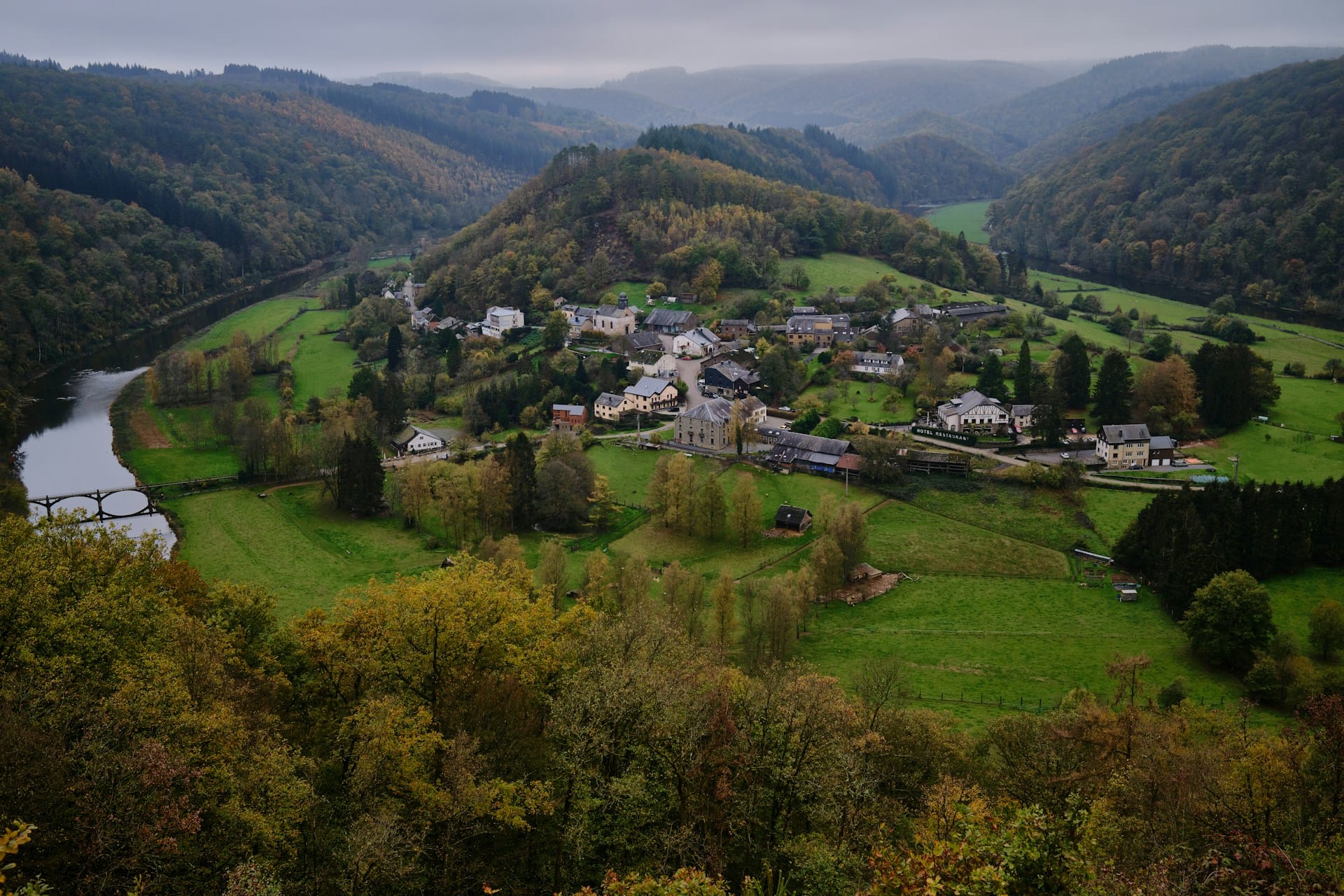
The ride continued through hamlets like Membre, tiny clusters of slate-roofed houses that seem grown from the bedrock itself. The roads were pure riding pleasure: tight, banked curves alternating with stretches of deep forest where the air is thick with the scent of pine and wet moss. The GS tipped into the bends, its weight vanishing beneath me, a perfect counterpoint of machine and terrain.
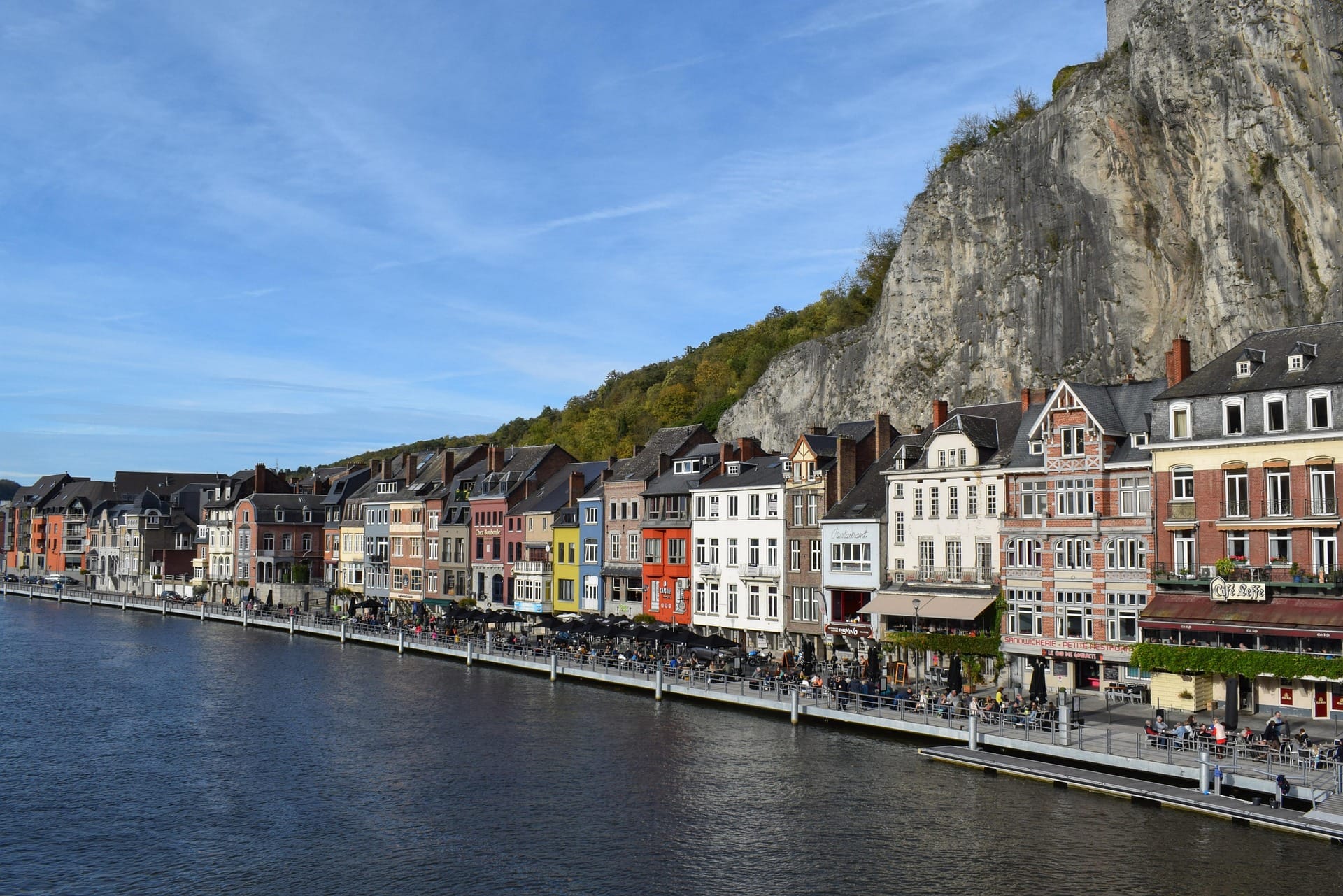
Swinging north, the GSA ate up the distance toward the Meuse, Wallonia's great arterial river. The arrival in Dinant is nothing short of spectacular. The city is squeezed onto a narrow strip between the Meuse and the sheer, imposing rock face, with the majestic Citadel perched directly overhead. Dinant is famous not only for its dramatic setting but also as the birthplace of Adolphe Sax, the inventor of the saxophone. Statues of colorful saxophones adorn the bridge, a playful, musical contrast to the stern grey stone of the fortress above, whose clock chimes echo against the cliff face.
Speed and Sanctuary on the Fens
Leaving the Meuse, we turned east again, back into the higher, wilder reaches of the Ardennes. The path led through La-Roche-en-Ardenne, another riverside town dominated by castle ruins, cementing the region's reputation as a land perpetually fortified against invasion. From here, the terrain began its final ascent towards the High Fens.
The air grew crisp and cool as we approached Stavelot. The town is rich with the history of the Princely Abbey of Stavelot-Malmedy, an ecclesiastical principality that once wielded vast political power. The transition from the spiritual past to the thrilling present is abrupt here, for Stavelot is the gateway to the sacred ground of motorsport.
Hurtling along the perimeter road of the famed Circuit de Spa-Francorchamps, the GSA's engine note, a deliberate, low snarl, momentarily connected me to the high-revving ghosts of the track. This segment of the journey juxtaposed the timeless patience of the Cistercian monks with the breathless urgency of Grand Prix racing.
Next, we reached Malmedy, Stavelot’s historic counterpart. Malmedy carries its own profound WWII wounds, having been the site of a brutal massacre of American prisoners. This area forms a corridor of remembrance that gives the quiet scenery a profound depth.
The final stretch of the journey was an ascent into the Hautes Fagnes (High Fens) near Eupen. The cold, exposed wind cut through the textile gear as the landscape shifted to open moorland and peat bogs—Belgium's largest nature reserve. The roads here are high, sweeping, and fast, a final, exhilarating challenge. Pulling up in Eupen, the sound of the GSA’s cooling engine was the only disruption to the deep silence.
In a single, long ride, the Ardennes revealed itself not as a simple wooded hill range, but as a living museum. The iron steed had carried us faithfully through the beauty and the sorrow, leaving us with the indelible knowledge that to truly know a landscape, one must feel its history beneath the wheels.
Route Information
Links to other sources


news via inbox
Want to be the first to know about my latest adventures and hidden gems?
Sign up for the MotorAway.eu newsletter to get exclusive travel stories, stunning photos, and video updates delivered straight to your inbox.
Join a community of fellow motorcycle enthusiasts and never miss a ride.