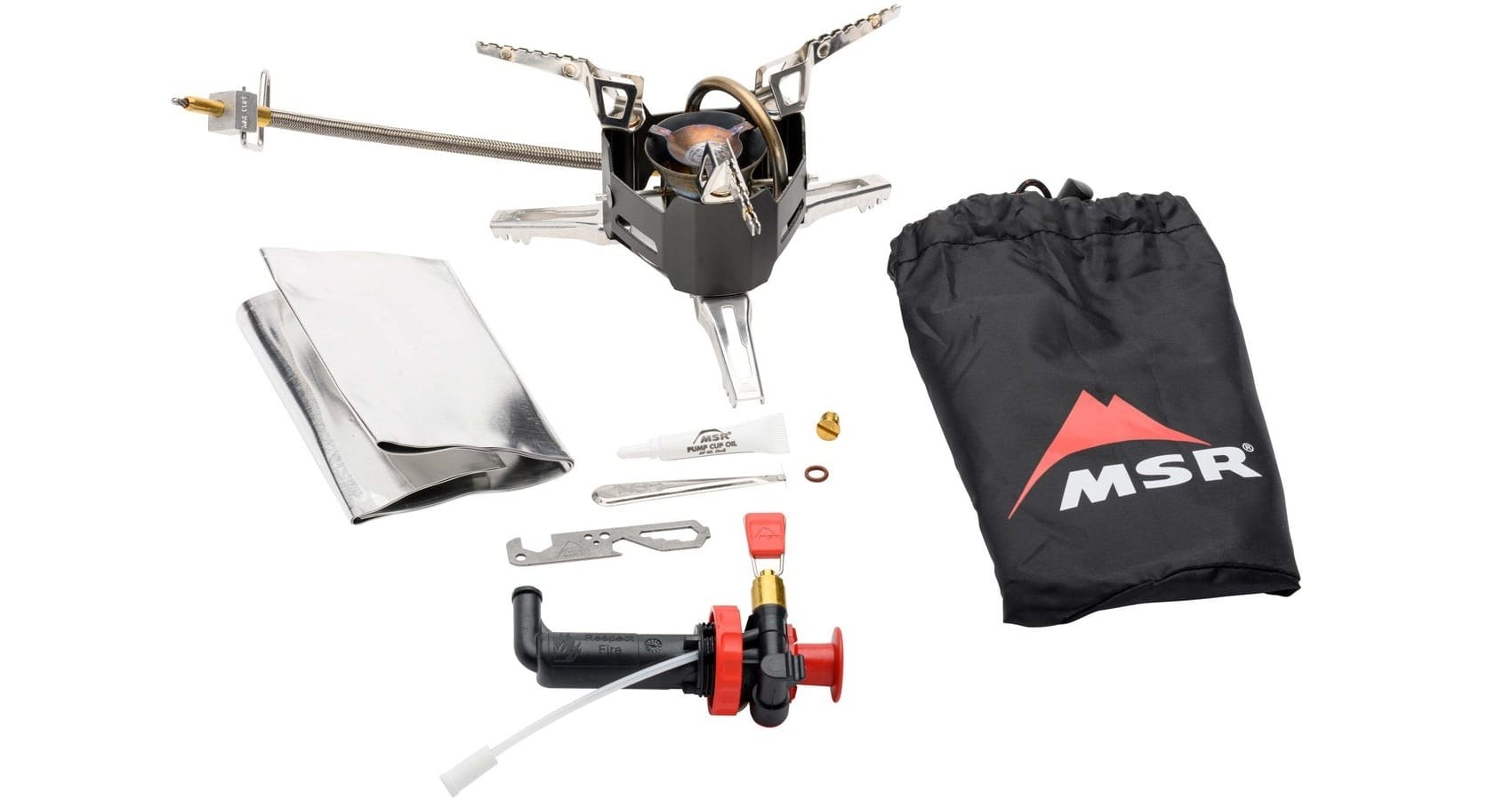
Review: – MSR XGK EXpedition Stove Multi-Fuel Burner
Technical Engineering and Operational Assessment of the MSR XGK EX Expedition Stove System
The development of high-altitude and extreme-cold cooking systems has historically been a contest between the constraints of weight and the absolute necessity of reliability. Within this niche, the MSR XGK EX stands as a singular evolution of liquid fuel technology that has remained largely peerless for over four decades. Originally conceived by Larry Penberthy and the engineers at Mountain Safety Research in the early 1970s, the XGK series was designed to address a critical failure in mountain safety: the inability of standard stoves to operate on the diverse, often contaminated fuels found in remote regions worldwide. The "EX" variant, the most recent iteration of this lineage, represents a modernization of the platform, introducing a flexible fuel line and enhanced stability features while retaining the core "roarer" burner architecture that has defined its reputation as an essential expedition workhorse.
This report provides an exhaustive technical analysis of the MSR XGK EX, evaluating its mechanical architecture, thermodynamic performance in sub-zero environments, fuel versatility—specifically concerning automotive and motorcycle fuel integration—and the operational trade-offs inherent in its design. By synthesizing field data with laboratory specifications, this analysis articulates the stove's role as a specialized tool for environments where temperatures drop below the critical 5°C threshold and failure is not an option while on a (very remote) motorcycle trip.
Historical Context and Engineering Philosophy
The MSR XGK EX is not a general-purpose backpacking stove; it is an expeditionary tool designed for the specific rigors of mountaineering and remote travel. The design philosophy prioritizes the ability to melt massive quantities of snow into potable water over the ability to prepare delicate meals. This mission profile dictates every aspect of its construction, from the choice of materials to the simplicity of its moving parts.
The evolution from the original Model 9 and XGK II to the current EX model involved a transition from a rigid fuel line to a braided, flexible steel line. The need for better packability drove this change, as the legacy rigid lines often made it difficult to nest the burner inside a cooking pot. The EX model also introduced retractable, serrated pot supports that provide a more stable platform for the large, heavy pots typically used by expedition teams.
Mechanical Architecture and Material Science
The structural integrity of the XGK EX is derived from its use of aircraft-grade aluminum and high-tensile stainless steel. These materials were selected for their high strength-to-weight ratios and their resistance to the corrosive effects of various fuels and environmental moisture.
Burner Assembly and Heat Concentration
The burner is a "roarer" type, characterized by a high-velocity jet of vaporized fuel striking a flame spreader plate. This creates a turbulent, high-energy flame that is exceptionally resistant to wind. The bell-shaped burner cup serves as a thermal concentrator, reflecting radiant heat back toward the generator loop to ensure continuous vaporization of the liquid fuel.
| Component | Material | Engineering Specification |
| Burner Bell | Stainless Steel | High heat retention; wind shielding |
| Pot Supports | Stainless Steel | Serrated for grip; supports up to 10-inch pots |
| Fuel Line | Flexible Braided Steel | Chemical resistance; high-pressure tolerance |
| Mixer Tube | Aluminum Alloy | Optimized for air-fuel stoichiometric ratio |
| Jet Orifice | Brass | Precision-drilled for specific fuel viscosity |
The stove's stability is one of its primary engineering triumphs. The three retractable legs form a wide tripod base that can be leveled on uneven snow or rocky terrain. The serrations on the pot supports are a subtle but vital feature; they provide mechanical friction against the bottom of titanium or aluminum pots, which can become slippery when covered in frost or condensation.
The Shaker Jet Mechanism
Maintenance in extreme environments is a recurring theme in the XGK's design. The Shaker Jet™ technology was introduced to solve the problem of carbon buildup in the fuel jet. In liquid fuel stoves, the process of heating fuel to its vaporization point—essentially "cracking" the hydrocarbons—inevitably leaves carbon deposits. The shaker jet consists of a weighted needle inside the jet assembly. By simply shaking the stove, the needle clears the orifice, allowing for a consistent fuel flow without the need for manual pricking with a separate tool.
Thermodynamic Performance and Cold Weather Operations
The performance of the XGK EX is most distinctly realized when temperatures fall below the 5°C (41°F) threshold. At these temperatures, the physics of isobutane-propane canister stoves begin to work against the user. Canister stoves rely on the internal vapor pressure of the fuel to drive the burner. As the temperature nears the boiling point of the fuel (approximately -0.5°C for isobutane), the pressure drops precipitously.
Vaporization Physics and Manual Pressurization
The XGK EX bypasses the limitations of ambient vapor pressure through manual pressurization. By using the integrated pump to compress air inside the fuel bottle, the user creates a high-pressure reservoir that forces liquid fuel through the line regardless of the external temperature. The critical phase of operation is the pre-heating or "priming" stage. Liquid fuel is allowed to pool in the priming cup and ignited. The resulting flame heats the generator loop, which is a section of the fuel line positioned directly above the burner. Once the loop reaches the vaporization temperature of the fuel, the operator opens the valve, and the liquid fuel flashes into a high-pressure gas before exiting the jet.
This mechanism allows the XGK EX to maintain a consistent heat output of approximately 10,000 BTU/h (2.8–3.0 kW) in temperatures as low as -30°C, where canister stoves would be virtually useless. The stove's ability to maintain high pressure ensures that the boil times remain remarkably consistent across a wide temperature gradient.
| Fuel Type | Ambient Temp | Boil Time (1L Water) | Fuel Efficiency (Liters/100ml) |
| White Gas | 20°C | 3.5 min | 4.9 L |
| White Gas | -10°C | ~3.8 min | ~4.5 L |
| Kerosene | 20°C | 2.8 min | 5.7 L |
| Diesel | 20°C | 4.5 min | 6.3 L |
Multi-Fuel Versatility and Motorcycle Integration
The "XGK" designation signifies its intent: Expedition (X), Gasoline (G), and Kerosene (K). This versatility is a core requirement for world travelers, particularly those on motorcycles, where the vehicle's own fuel tank becomes the primary supply for the kitchen.
The Logistics of Motorcycle Fuel Usage
For the motorcycle traveler, the XGK EX eliminates the need to source specialized "camping fuels" like white gas (naphtha) or isobutane canisters. Siphoning fuel directly from a motorcycle tank is a common practice using a simple hose-and-blow technique to pressurize the tank and force fuel into the MSR bottle. The XGK EX is designed to handle the variable quality of automotive gasoline, which contains anti-knock additives, detergents, and, increasingly, ethanol.
Chemical Implications of Unleaded Gasoline and Additives
Automotive gasoline is a complex blend of hydrocarbons (C4 to C12) and chemical additives designed for internal combustion engines. These additives can have deleterious effects on small-orifice stove burners.
Octane Ratings: High-octane fuels (91-98 RON) often contain more aromatic compounds, which are harder to vaporize and can lead to increased soot production. Professional field observations suggest that lower-octane "regular" fuel (85-87 AKI) actually burns cleaner in the XGK EX because it contains fewer of these complex additives.
Ethanol (E10): Many regions now mandate 10% ethanol blends. Ethanol is hygroscopic, attracting water into the fuel bottle, and it can act as a solvent that degrades older rubber O-rings in the fuel pump. Users are advised to inspect pump seals more frequently when using E10 fuel and to avoid long-term storage of gasoline in the MSR bottle, as it can form varnish over time.
| Fuel | Cleanliness | Global Availability | Energy Density | Maintenance Required |
| White Gas | Excellent | Low | High | Low |
| Unleaded Gas | Poor (Sooty) | High | High | High |
| Kerosene | Moderate | High | Very High | Moderate |
| Diesel | Very Poor | Very High | Very High | Very High |
When burning automotive gasoline, the XGK EX's oversized generator tube is a critical advantage. The larger diameter provides more surface area for heat exchange, ensuring that even heavier additives are vaporized or "cracked" before they can clog the jet. However, this inevitably leads to a sooty flame during the priming stage, and users should expect an oily residue on the burner components that requires weekly cleaning during extended trips.
Operational Profile: Noise and Acoustic Analysis
The most frequently cited characteristic of the XGK EX is its acoustic footprint. The "roarer" burner design is inherently loud. This is caused by the high-pressure gas jet exiting the orifice at supersonic or near-supersonic speeds and striking the flame spreader. The resulting turbulence creates a sound level that averages 85 to 86 dBA at a distance of 30 cm.
Implications of Acoustic Output
This noise level has several practical implications:
Social Interaction: At 85 dBA, conversation between partners in a tent becomes difficult without shouting.
Environmental Awareness: The noise can mask environmental sounds, such as approaching wildlife or changes in wind patterns.
Tactical Considerations: For users wishing to remain discreet, the XGK EX is effectively an acoustic beacon that can be heard from several hundred meters in still air.
Despite the noise, many mountaineers find the sound reassuring; it is the "sound of success" indicating that the stove is producing the massive thermal energy required to melt snow for a group in a blizzard.
Thermal Control and the "On/Off" Characteristic
The XGK EX is fundamentally a single-purpose burner optimized for high output. Unlike the MSR Dragonfly, which features a secondary valve at the burner for precise flame control, the XGK EX relies on a single valve located at the fuel pump. This creates a significant "lag" in the system; when the valve is adjusted, the volume of fuel already in the line must be burned through before the change in flow is reflected at the burner.
The Difficulty of Simmering
For many users, the stove is effectively a "binary" device: either full roar or off. Attempting to lower the flame through the pump valve often leads to an unstable flame that can sputter or go out, particularly in windy conditions. This is due to the fact that lower fuel flow reduces the heat in the generator loop, which in turn reduces the vaporization efficiency, creating a feedback loop of declining performance.
Engineering "Hacks" for Flame Control
Experienced operators have developed several non-standard techniques to mitigate the high heat output for tasks like frying eggs or simmering rice:
Low Tank Pressure: By pumping the bottle only 3–5 times, the internal pressure is kept minimal. This allows for a lower fuel flow that the valve can more easily manage, though it requires constant attention to prevent the flame from dying.
Heat Diffusers: A stainless steel plate placed between the stove and the pot can act as a thermal buffer, spreading the heat and preventing a single "hot spot" from burning the food.
Elevated Pot Stand: Using a modified windscreen or stones to lift the pot 4–6 inches above the flame spreader allows the heat to dissipate into the air before hitting the vessel.
Intermittent Firing: Manually turning the stove on for 30 seconds and off for 30 seconds is a crude but effective method for simmering thick stews.
Maintenance Protocols and Long-Term Durability
The XGK EX is designed for extreme longevity. Reports of units remaining in service for over 25 years are common in the mountaineering community. This durability is not accidental; it is the result of a design that allows the user to replace almost every wearable part in the field.
Cleaning the Fuel Pathway: The Cable Scour
The central maintenance task for an XGK user is cleaning the fuel line. Inside the flexible steel line is a twisted wire cable. This cable is not merely a structural element; it is a cleaning tool. By using the MSR multi-tool to pull the cable back and forth (the "cable scour"), the user can physically scrape away the carbon deposits that build up from burning dirty fuels like diesel or unleaded gasoline.
Pump Care and Failure Modes
The MSR fuel pump is the most complex part of the system and the most likely to fail. It is constructed from a glass-reinforced polymer.
The Pump Cup: The plunger that creates pressure uses a leather or rubber cup. If this dries out, it will not seal. A small amount of "pump cup oil" (or even saliva in an emergency) will restore the seal.
O-Rings: The most common field failure is a leaking O-ring at the point where the stove's fuel line enters the pump. This is often caused by dirt entering the connection or the O-ring becoming brittle in extreme cold.
Valve Threads: The control valve uses brass threads in a plastic housing. If these are "reefed" too hard, they can strip, leading to a catastrophic failure that is not field-repairable.
| Maintenance Task | Frequency (White Gas) | Frequency (Unleaded/Diesel) | Tools Required |
| Jet Shaking | Every use | Every use | None |
| Cable Scour | Every 40 hours | Every 10 hours | MSR Multi-tool |
| Pump Lubrication | Monthly | Monthly | Pump cup oil |
| O-Ring Inspection | Before each trip | Weekly | None |
Comparative Analysis: XGK EX vs. The Market
To understand the XGK EX's value proposition, it must be weighed against other liquid fuel stoves and modern integrated canister systems.
XGK EX vs. MSR Dragonfly
While the Dragonfly offers superior simmering and a wider pot support base, it is significantly bulkier and has more parts that can fail. For a motorcycle trip across the Arctic Circle, Asia, or a ride in the mountains, the XGK's simplicity and resistance to "dirty" fuel clogging make it the safer choice. The Dragonfly is better suited for basecamp cooking, where variety in the menu is a priority.
XGK EX vs. European Multifuels burners (Optimus Nova, Primus Omnifuel)
The Optimus Nova and Primus Omnifuel are the primary rivals in the "bombproof" category. These stoves often feature metal pumps and single-jet designs that don't require swapping parts to change fuels. However, the XGK EX remains the choice for the most extreme expeditions (such as Antarctic crossings) because its "roarer" burner is simpler to dry out and restart if water or soup is spilled on it compared to the silent or semi-silent designs found on some European models.
XGK EX vs. Integrated Systems (MSR Reactor/WindBurner)
For a solo rider in the Alps, an integrated canister stove like the MSR Reactor is faster and more efficient. However, once the temperature drops below -10°C, the Reactor requires the user to keep the canisters warm (often inside a sleeping bag), and the fuel cost for a 30-day expedition would be astronomical compared to bulk white gas or local gasoline. The XGK EX excels in the "unsupported" logistics of long-term travel.
Third-Party Modifications: The Silent Burner Cap
A significant aftermarket has emerged to address the XGK's noise and simmering issues, most notably the "QuietStove" or "BernieDawg" silent burner caps.
Performance Characteristics of Silent Burners
Replacing the standard flame spreader with a silent burner cap changes the fundamental combustion dynamics of the stove.
Acoustics: The cap reduces noise by approximately 15 dBA, making it comparable to a standard canister stove.
Thermodynamics: Because the flame is diffused through hundreds of tiny holes, the "hot spot" is reduced, allowing for significantly better simmering.
Risks: Silent burners are more prone to "underburn," where the flame burns inside the cap rather than on the surface, which can melt the brass jet. They are also more susceptible to wind and can increase boil times by up to 10–20%. For true expedition use, the standard "roarer" spreader is still recommended for its reliability.
Safety and Environmental Considerations
The use of liquid fuel stoves involves inherent risks that are less prevalent with canister systems. Flare-ups during the priming stage are the most common hazard; a "beachball-sized" fireball can occur if too much fuel is allowed into the priming cup. This necessitates lighting the stove well away from tents or flammable gear.
Environmental Impact: Canisters vs. Liquid Fuel
From an ecological perspective, the XGK EX is the superior choice for high-frequency users.
Waste Reduction: A single MSR fuel bottle is reusable for decades, whereas a month-long expedition might consume 20–30 isobutane canisters, which are difficult to recycle and often end up in landfills or as litter on high-altitude routes.
Fuel Density: Liquid fuel is more energy-dense than the gas in canisters, meaning a smaller volume of fuel is required for the same number of boils on long trips, reducing the overall pack weight as the trip progresses.
Conclusion: The XGK EX as an Indispensable Tool
The MSR XGK EX is an anachronism in an era of ultra-light, easy-to-use canister stoves. It is loud, heavy, messy, and requires a mechanical "knack" to operate effectively. Yet, it remains the gold standard for expeditions precisely because it rejects the compromises that make other stoves more convenient.
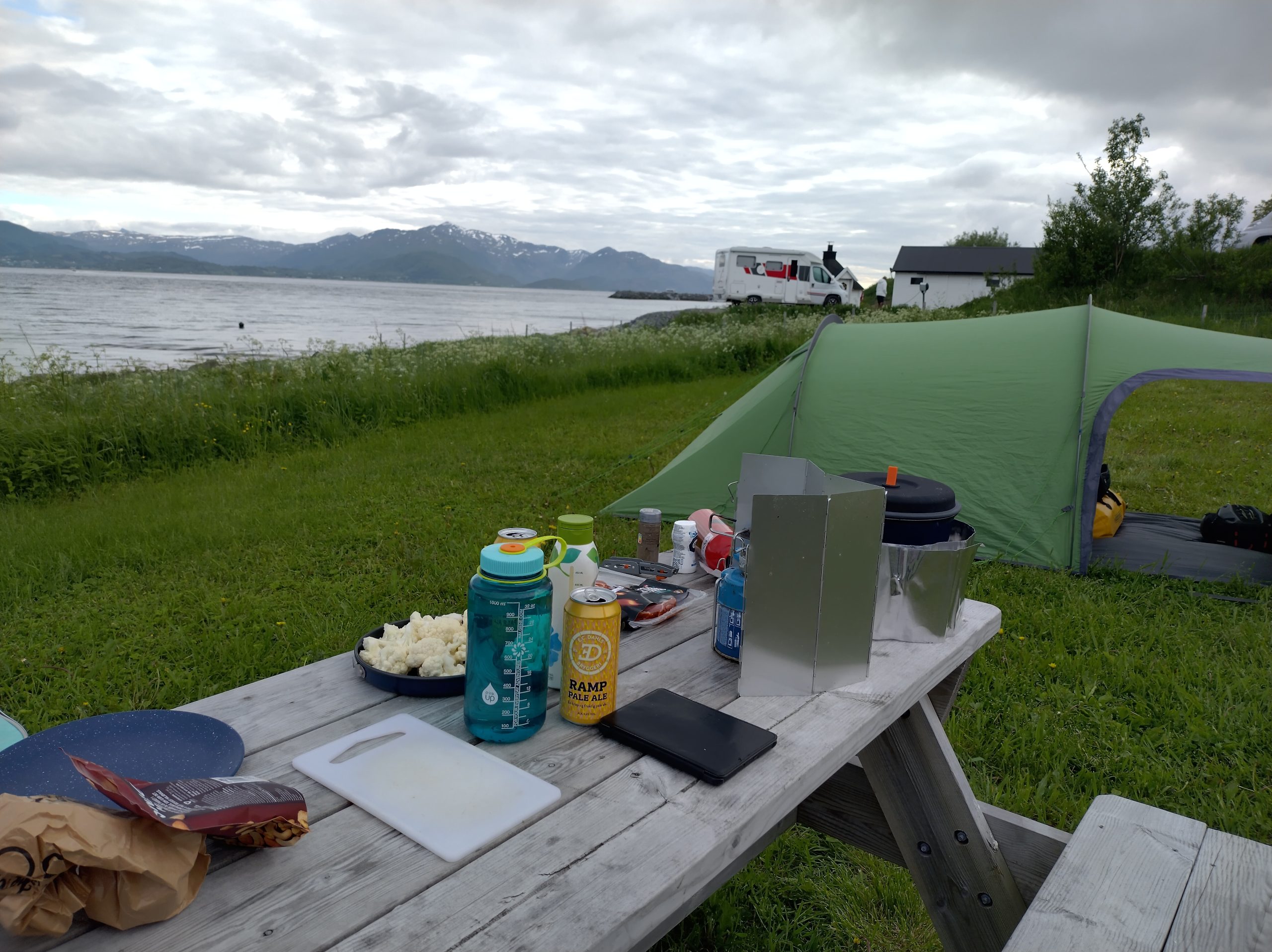
For the motorcycle traveler, the ability to refuel from your motorcycle tank or at a village pump and continue cooking in a snowstorm at 4,000 meters elevation is a capability that no other stove can provide with the same level of reliability. Its performance in temperatures below 5°C, its "bombproof" construction, and its ability to be completely rebuilt in the field with a single tool ensure that the XGK EX will remain the primary choice for those who venture into the world's most hostile environments. The operational limitations—the noise and the binary heat control—are not flaws, but rather the necessary trade-offs for a device that must work every time, anywhere on the planet. Personally, I use a heat diffuser to distribute the heat when cooking a meal.
Gear Information

news via inbox
Want to be the first to know about my latest adventures and hidden gems?
Sign up for the MotorAway.eu newsletter to get exclusive travel stories, stunning photos, and video updates delivered straight to your inbox.
Join a community of fellow motorcycle enthusiasts and never miss a ride.