Silent Threat on the Open Road: Understanding and Preventing Motorcycle Tinnitus
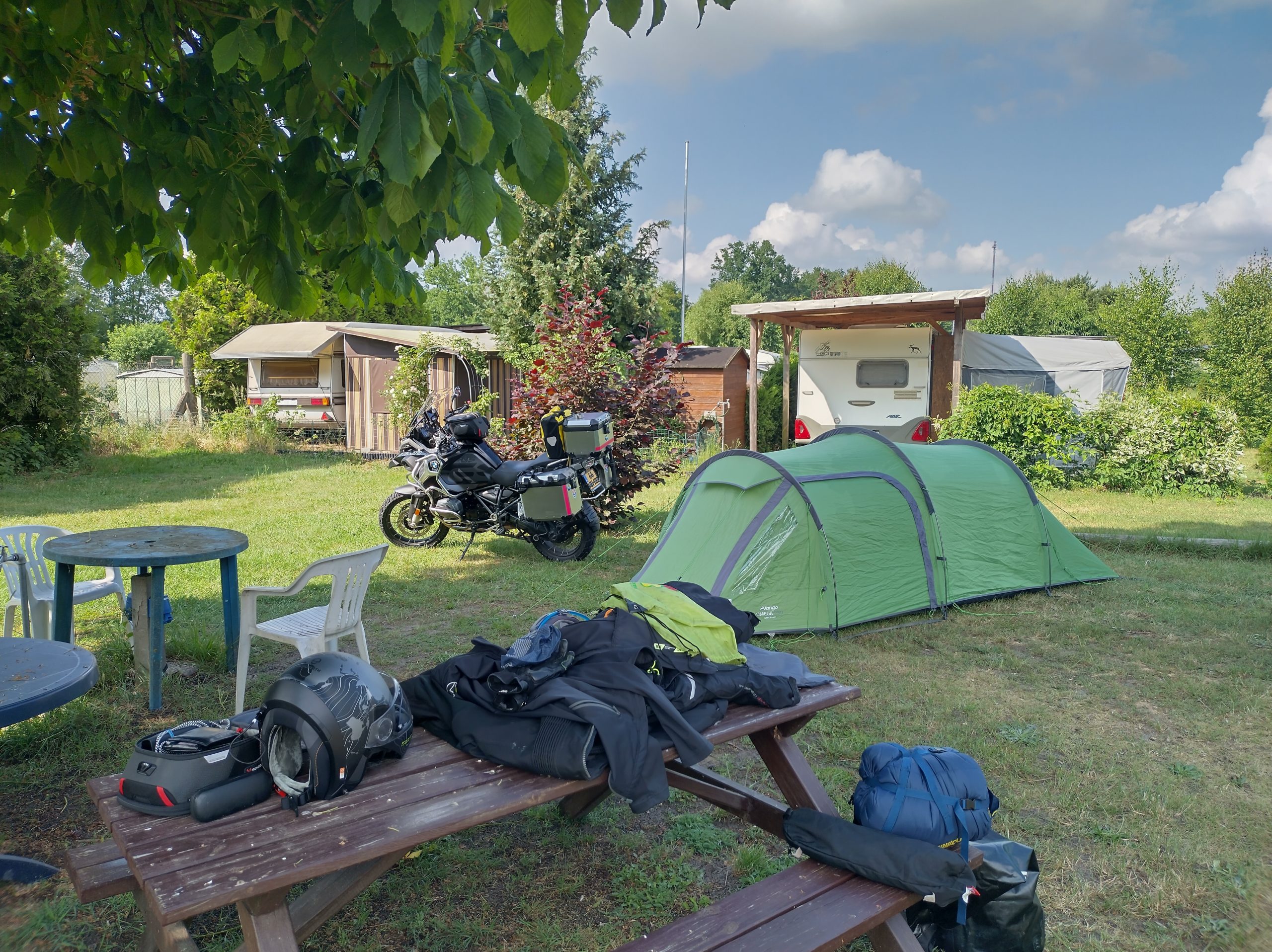
Long before I began touring across Europe on my BMW R1200 GSA, I developed tinnitus from years of playing saxophone in a music band. That constant, subtle ring in my ears was born on stage, not on the road. But as any rider knows, leaning into a sweeping Alpine pass introduces a whole new acoustic challenge: wind roar. To prevent further hearing damage, I’ve made custom-molded otoplastics a non-negotiable part of my riding kit. Beyond shielding my ears, they filter out turbulent wind roar so effectively that I can stream music inside my helmet with crystal clarity, without ever needing to crank the volume to unsafe levels.
Far more dangerous to your hearing than a roaring exhaust, high-speed turbulent airflow around a helmet can cause irreversible hearing damage and permanent tinnitus in a matter of minutes.
The Physics of Wind Noise
Many riders assume that hearing protection is only necessary for marathon highway stints, but acoustic data reveals a starkly different reality. At 100 km/h (62 mph), the turbulent airflow rushing past a motorcycle helmet creates noise levels averaging 94 decibels (dB). At this volume, unprotected exposure can cause permanent inner-ear damage in as little as 15 minutes.
Increase your speed to 120 km/h (75 mph), and the sound level climbs to 98 dB. At this threshold, the safe exposure window shrinks to just 7 minutes. At higher speeds or during extended tours, the constant bombardment of low- and high-frequency sound waves steadily degrades your hearing.
What Happens Inside the Ear?
Sound waves travel down the ear canal to the cochlea, a fluid-filled structure lined with thousands of microscopic sensory hair cells. These hair cells convert sound vibrations into electrical signals that the brain interprets. Extreme or prolonged sound pressure from wind roar overloads these delicate structures, causing them to bend, fracture, or die.
Because human inner-ear hair cells do not regenerate, the resulting damage is permanent. When hair cells are impaired, they can send continuous faulty signals to the brain. This creates phantom auditory sensations known as tinnitus: persistent ringing, whistling, buzzing, or high-pitched whining (often between 6 and 8 kHz) that persists long after the ignition is turned off.
Actionable Steps Every Motorcyclist Should Take
Fortunately, acoustic trauma and further hearing loss are preventable. By taking proactive measures, you can protect your hearing without sacrificing the awareness needed for safe riding.
Invest in Quality Hearing Protection: Disposable foam plugs from a hardware store muffle all frequencies equally, creating an isolated feeling. Acoustic filter earplugs (ranging from €20 to €30) use internal membranes to dampen damaging wind peaks while allowing traffic sounds, emergency sirens, and intercom communications to remain clear.
Switch to Custom Otoplastics: For frequent touring riders, custom-molded earplugs (around €120 or more) offer tailor-made comfort, superior attenuation, and a guaranteed seal. Made from medical-grade silicone, they fit precisely beneath a helmet without creating pressure points. Crucially, they allow you to listen to music or navigation instructions clearly without having to increase the helmet speakers to damaging volumes.
Select an Acoustically Refined Helmet: Helmet design plays a major role in noise management. Helmets with tight-fitting chin curtains, quality neck rolls, and aerodynamically tested shells significantly reduce turbulence entering from below.
Adjust Your Windscreen Aerodynamics: A poorly positioned windscreen can direct buffeting air straight into your helmet. Adjusting your windshield height, adding a spoiler lip, or fine-tuning your riding posture on bikes like the BMW R1200 GSA can dramatically reduce the acoustic load on your ears.
Protect Your Hearing on Every Ride: Hearing loss is cumulative. Wearing protection on short daily commutes is just as important as wearing it on multi-day adventure tours.
Taking control of your acoustic environment ensures that the soundtrack to your European journeys remains your favorite music and the open road, rather than a persistent ring.
Extra Information




news via inbox
Want to be the first to know about my latest adventures and hidden gems? Sign up for the MotorAway.eu newsletter to get exclusive travel stories, stunning photos, and video updates delivered straight to your inbox. Join a community of fellow motorcycle enthusiasts and never miss a ride.